
Water Scarcity and Its Impact on Bangalore Plotted Investments
With groundwater extraction rates outpacing natural recharge, Bangalore’s urban water supplies have been overexploited. This has left residents dependent on tankers and private borewells for their daily needs. This situation has really made Bengalurean to think twice before investing in Plotted Developments. Water Scarcity is one of the major reason majority property buyers are shifting to gated society to avoid daily hassle of water provision and other needs.
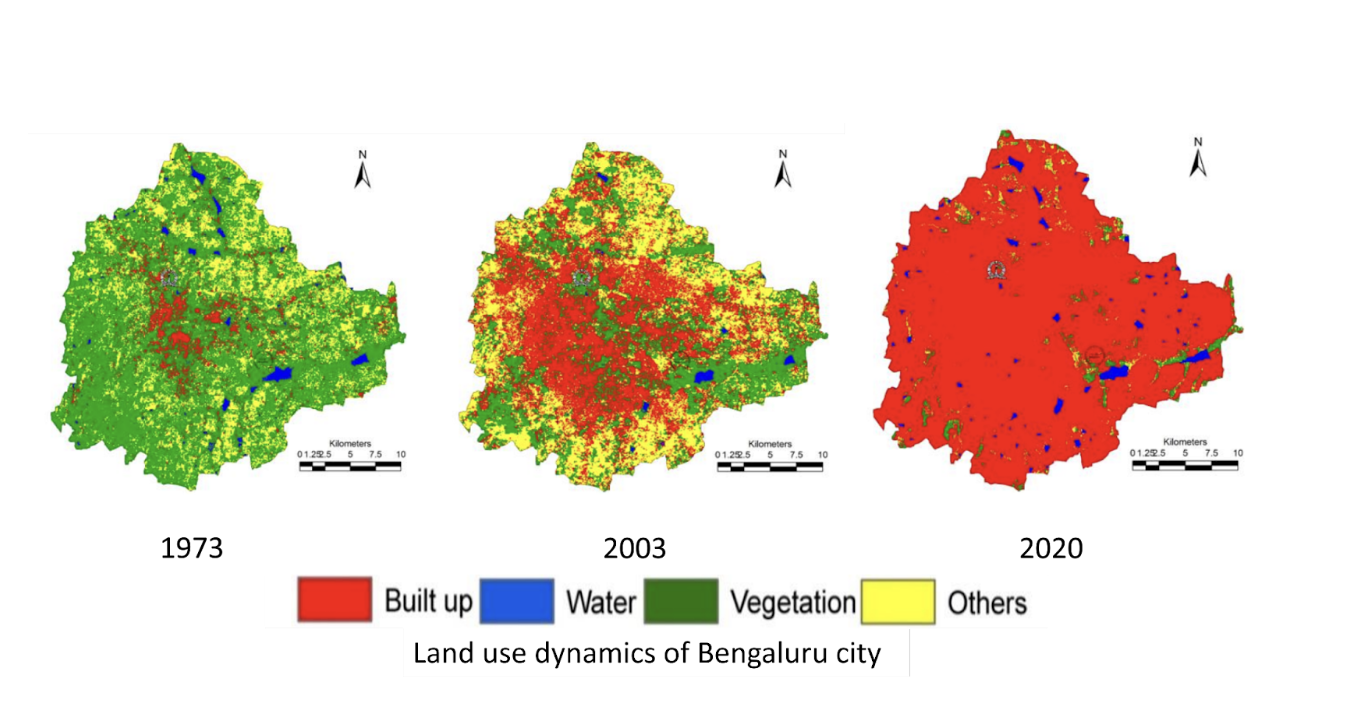
This is a stark shift for a city once renowned for its abundant lakes. Urban reports indicate that a reversal of this trend is crucial to the future of Bengaluru.
How Water Scarcity Affecting Plotted Development Investments
The city’s reliance on groundwater is increasing in urban and suburban areas, leaving residents to rely on private borewells and water tankers. A recent study revealed that Bengaluru’s pipeline network has a high rate of non-revenue water (NRW), with losses from leakage, unauthorised connections, and dysfunctional metering. Increasing water rates and engaging communities are ways to address the problem. Alternatively, decentralised wastewater treatment plants could offer an attractive and sustainable solution.
Despite the challenges, it is possible to transform Bengaluru into a green city that embraces water as an asset. Achieving this vision requires more than architectural innovation, however. It will require a cultural recalibration that fuses technological innovation with civic responsibility.
Upcoming residential projects in Hoskote and elsewhere in Bangalore are incorporating sustainability initiatives into their designs. This shift reflects market demand and the importance of integrating environmental resilience into real estate development. These efforts will help the city build a more resilient future, while boosting land value and demand in the long run.
Hoskote
Water scarcity is a global challenge due to population growth, profligate use, pollution and changing weather patterns. More than half a billion people experience physical water scarcity at least a month of the year.
In addition to physical availability, water scarcity also includes a measure of quality and accessibility. These indicators are often combined into a single metric called water stress. A strong understanding of water stress is essential for assessing risk.
A lack of clean water impacts every aspect of daily life, particularly for poor and marginalized communities. It limits economic opportunity and raises the risk of illness, including diarrheal diseases that kill four hundred thousand children each year.
NITI Aayog, the government’s think-tank, has warned that Bengaluru will run out of groundwater within two years. The city has been plagued by drought-like conditions and soaring temperatures. Its depleted water resources have fueled political squabbles between the ruling BJP and Congress parties, but ecological and climate concerns do not resonate as national-level issues.
Sarjapura
When construction projects are halted due to water shortages, the real estate industry suffers a setback, as prospective buyers hesitate to invest in properties located in areas affected by a crisis. Similarly, the hospitality and tourism sector loses revenue as it struggles to meet the needs of guests.
The erratic monsoon and rising temperatures are also contributing factors to Bengaluru’s water crisis, as they reduce rainfall and increase evaporation. Combined with unsustainable groundwater use, this has left the city depleted of its natural resources.
The locality of Sarjapura once served as a tranquil village setting for its residents, but it is now a booming region with technology parks and residential spaces. Despite the rapid growth of Sarjapur, its residents still maintain a balance between tradition and modernity. This is reflected in their lifestyle, as they make use of amenities such as water-saving technologies and community-driven campaigns to reclaim degraded lakes and water bodies. This includes the Brigade Orchards smart township, which aims to provide a self-sufficient lifestyle to its residents and offer them the best of both worlds.
Chandapura
With the city’s primary surface water bodies continuing to show heavy pollution, it is time for the government to take a strong stand against unchecked development and industrial waste discharge, says Madhuri Subbarao of Friends of Lakes. A recent report from the National Green Tribunal’s (NGT) joint committee highlighted that not a single lake in Bengaluru has met class B standards for potable water throughout the year, with most lakes scoring D or E ratings. Even the highly acclaimed Bellandur and Varthur lakes have failed to meet the benchmark, while Hebbal lake has fluctuated between D and E.
In the face of this crisis, property developers are taking steps to ensure that buyers do a thorough check on hard infrastructure status of projects before they invest in them. “Enquiries and sales for end user homes have not shown any dip, but we expect prospective buyers to do more due diligence on the water availability status of their plots,” TG Developers’ Shivam Pathak said.